By Tín Nguyễn Đăng • Written date: 08/02/2025 07:38:11
Related Insights





Was this content helpful to you?
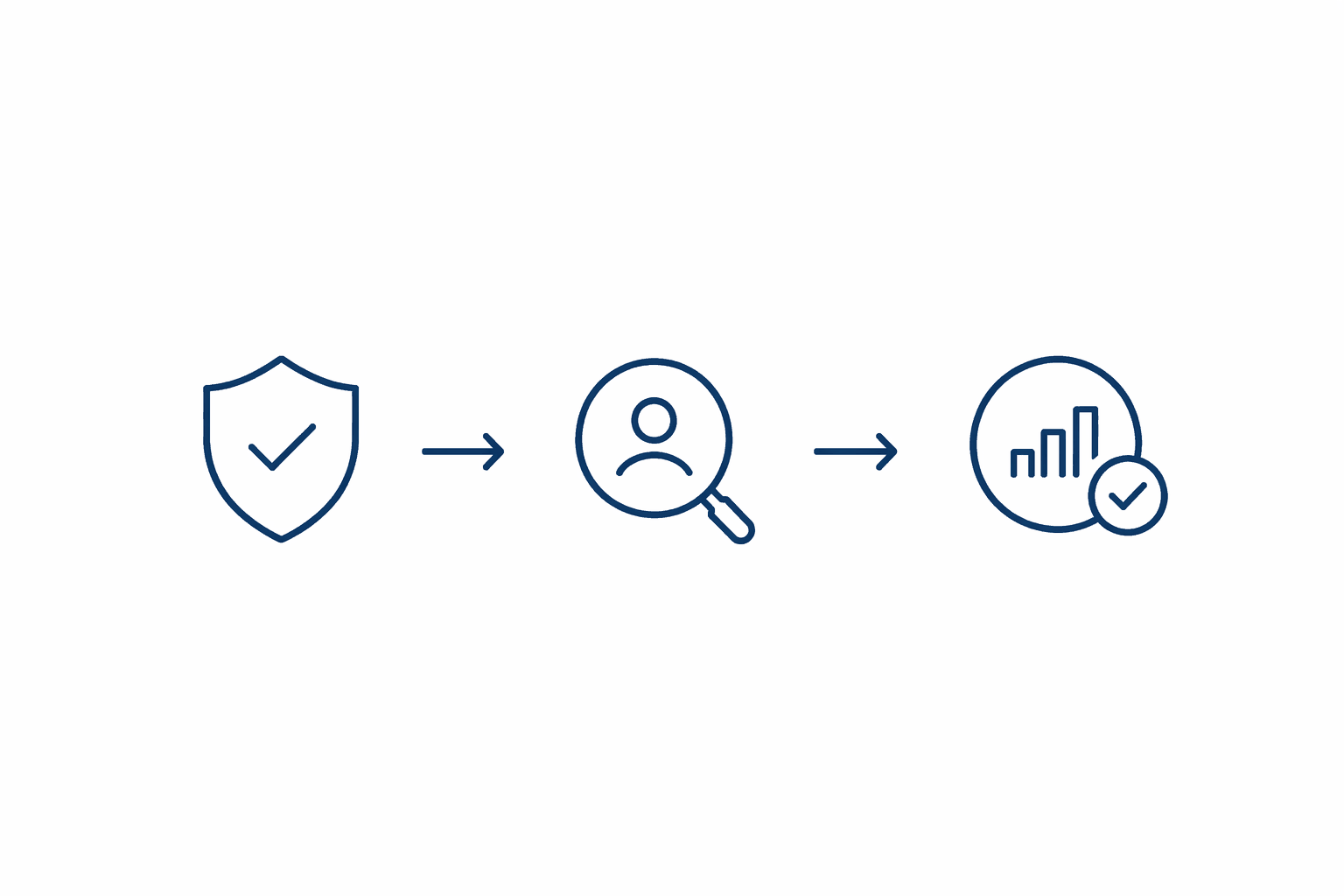
This note outlines how the platform combines credit allocation, automated verification, and fraud-control logic into one controlled backend flow. It explains how engagement-related actions are scored, validated, and filtered before they affect credits, trust signals, or reward state.
The platform uses Digital Credits (aka Engagement Points) to score verified micro-interactions. Credits are minted programmatically only after actions pass the required multi-layer verification thresholds, so scoring stays tied to validated activity instead of raw submission volume.
Scoring Formula:
Credit_Grant = Base_Rate * Difficulty_Weight * Quality_ScoreParameters:
This model keeps credit issuance more controlled, reduces low-quality reward inflation, and keeps the credit economy more stable while engagement scales.
The Automated Verification Worker validates evidence through AI/OCR and rule-based checks before credits are released. The goal is to keep verification deterministic, reviewable, and consistent across repeated actions, so reward state is based on evidence quality rather than unverified submission counts.
Evidence -> OCR -> Normalize -> Validate -> Confidence Score -> Credit DecisionCore controls:
This layer turns raw evidence into a controlled verification result that can be scored, reviewed, and reused across the wider platform workflow.
The fraud-control layer detects spam, replay attacks, burst submissions, and other abnormal patterns before invalid activity affects credit state. It works alongside scoring and verification to keep reward allocation resistant to abuse without interrupting normal execution flow.
Core controls:
Signals -> Anomaly Scoring -> Quarantine -> Post-Audit -> FinalizeThis protocol protects campaign integrity, limits credit abuse, and helps preserve real-time UX while suspicious activity is isolated and reviewed.
CLOSING NOTES
Reader Value
Readers can use this model to understand how credit scoring, automated verification, and fraud control fit into one backend flow instead of separate checks. In real projects, that makes reward logic easier to manage, keeps scoring rules more traceable, and reduces invalid credit allocation through clearer verification and post-audit control. It also supports more stable operation where engagement signals, trust state, and reward updates stay consistent.
Conclusion
This logic combines credit scoring, automated verification, and fraud control into one structured backend layer. It defines how engagement-related actions are scored, validated, filtered, and finalized inside a controlled execution flow. As these rules expand, the model stays aligned with System Integration and Stable Operation.