By Tín Nguyễn Đăng • Written date: 10/01/2025 21:14:11
Related Insights
Was this content helpful to you?
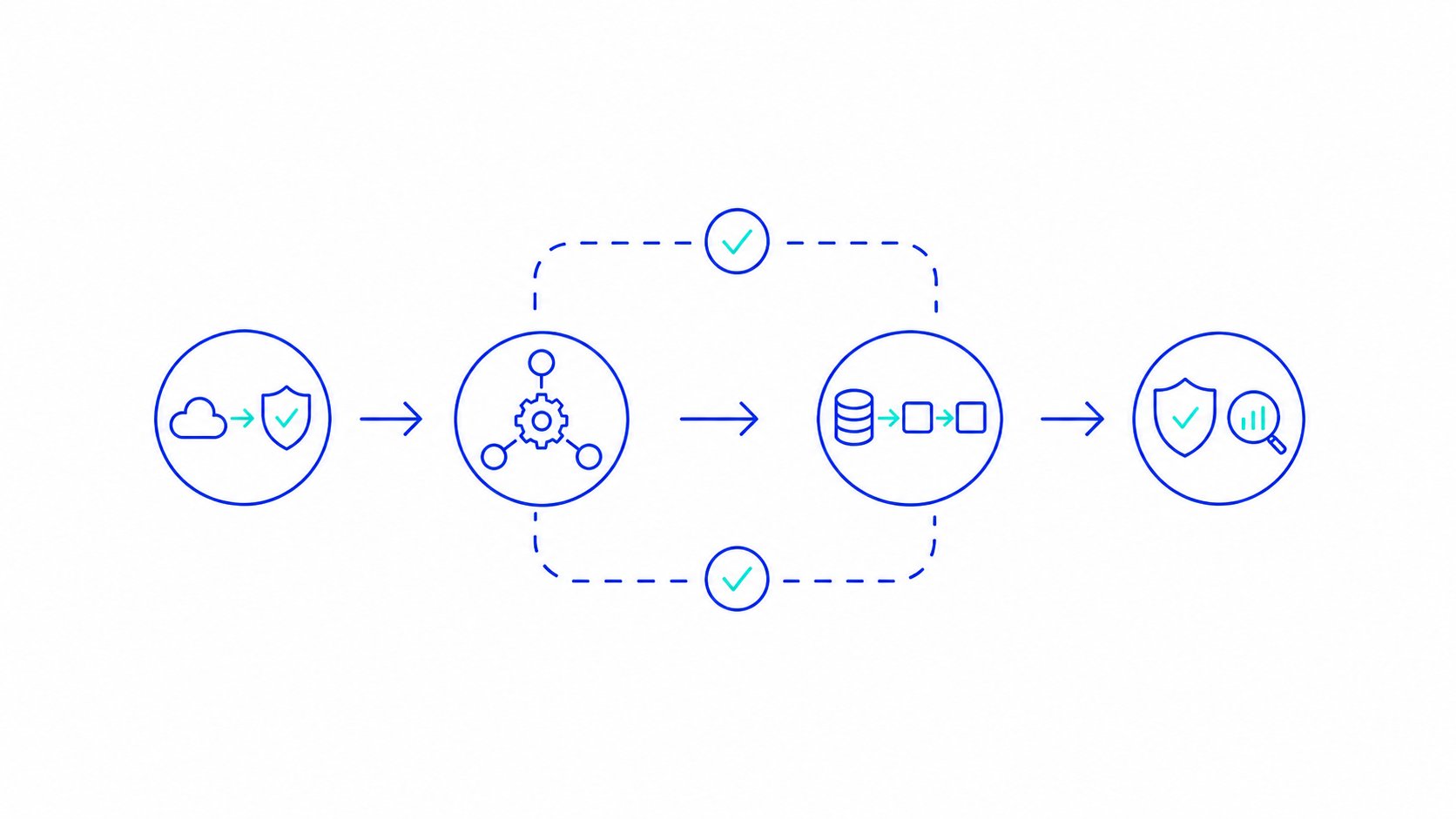
Hust Media System Overview introduces the first note in this Engineering Notes section and provides a broader technical view of how the platform is structured behind the main articles and practical utilities. It is a distributed data middleware layer designed to standardize automated workflows and enforce consistent data quality validation through a Compute Credits mechanism. The system runs on a high-performance client-server model, where the API Gateway, Core Services, Data Pipeline, and Verification Engine are separated into clear layers to support stable operation, lower latency, and more predictable behavior at scale. The diagram below maps the main execution layers and control flows referenced across this section.
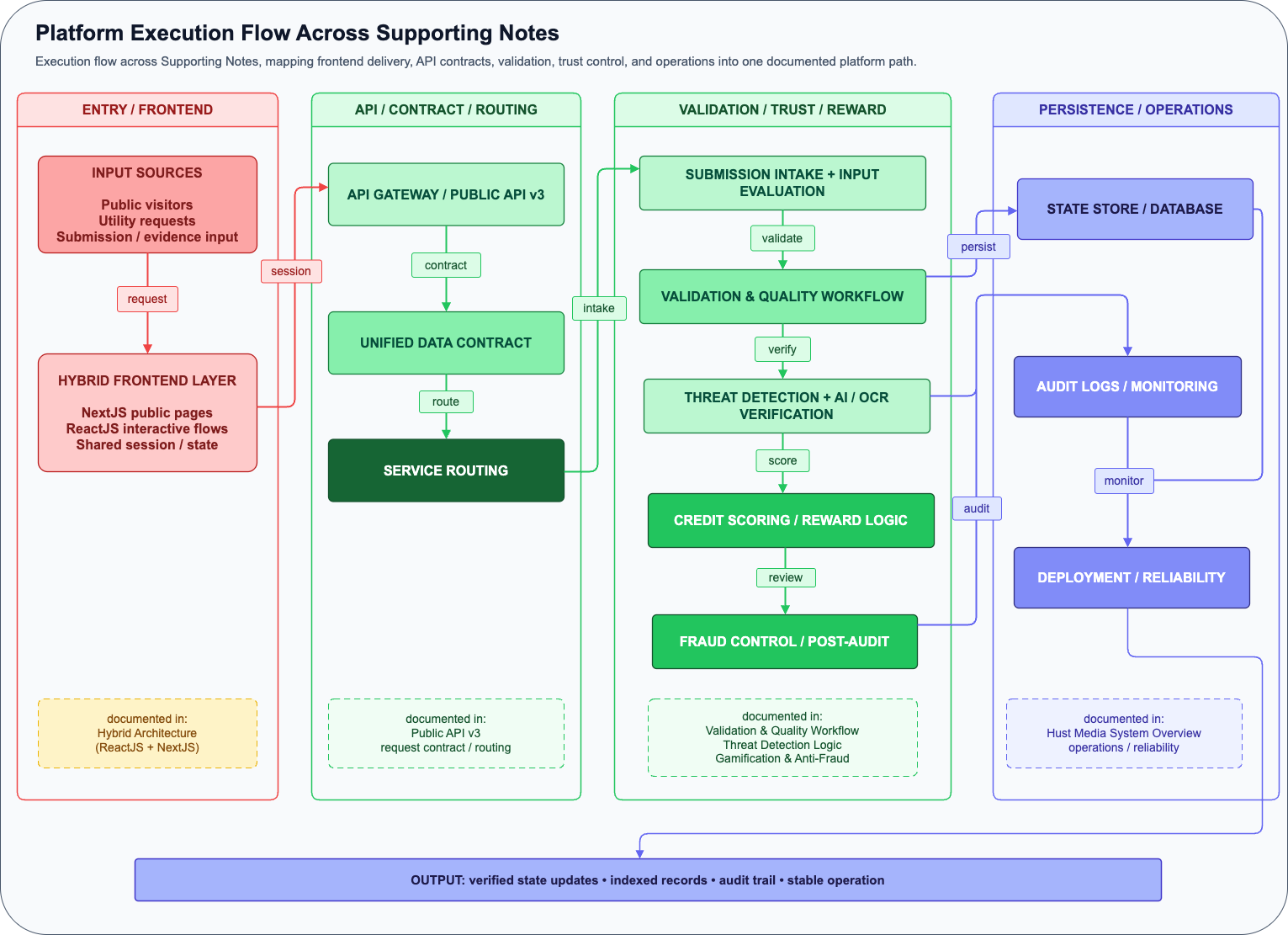
This overview also shows how the main notes connect across the platform. Use the Docs panel to continue into more specific implementation topics, including API behavior, threat verification, validation workflow, security, deployment, and day-to-day operations. Together, these notes provide a practical reference layer for system integration and operational consistency across the platform.
Core flow:
The system is designed around predictable scaling, low-latency processing, cleaner data flow, and stable operational behavior. These goals help the platform remain usable as more services, reports, and workflow records move through the same architecture.
The architecture separates user-facing interfaces, gateway routing, service logic, storage, and external integrations. This makes the platform easier to maintain because each layer has a clearer role and can be optimized without forcing the entire system to change at once.
Logical topology:
Client (Web/App)
  -> API Gateway (Nginx / Go / Node)
    -> Core Services (PHP / Go / Python)
      -> Data Stores (MariaDB / MongoDB)
        -> Integrations (MQTT, Cloudflare, Provider APIs)
Technology stack:
| Layer | Technology | Role | | --- | --- | --- | | Frontend | React / Next.js | Real-time dashboards + SEO/SSR public pages. | | Mobile | React Native + WebView | Native shell with fast web logic updates. | | Backend | Node.js / PHP / Go / Python | REST APIs, job queues, automation, AI utilities. | | Storage | MariaDB / MongoDB | Structured + semi-structured data. | | Infra | Nginx + Cloudflare Tunnel | Gateway, reverse proxy, IP masking. |
Hybrid frontend strategy:
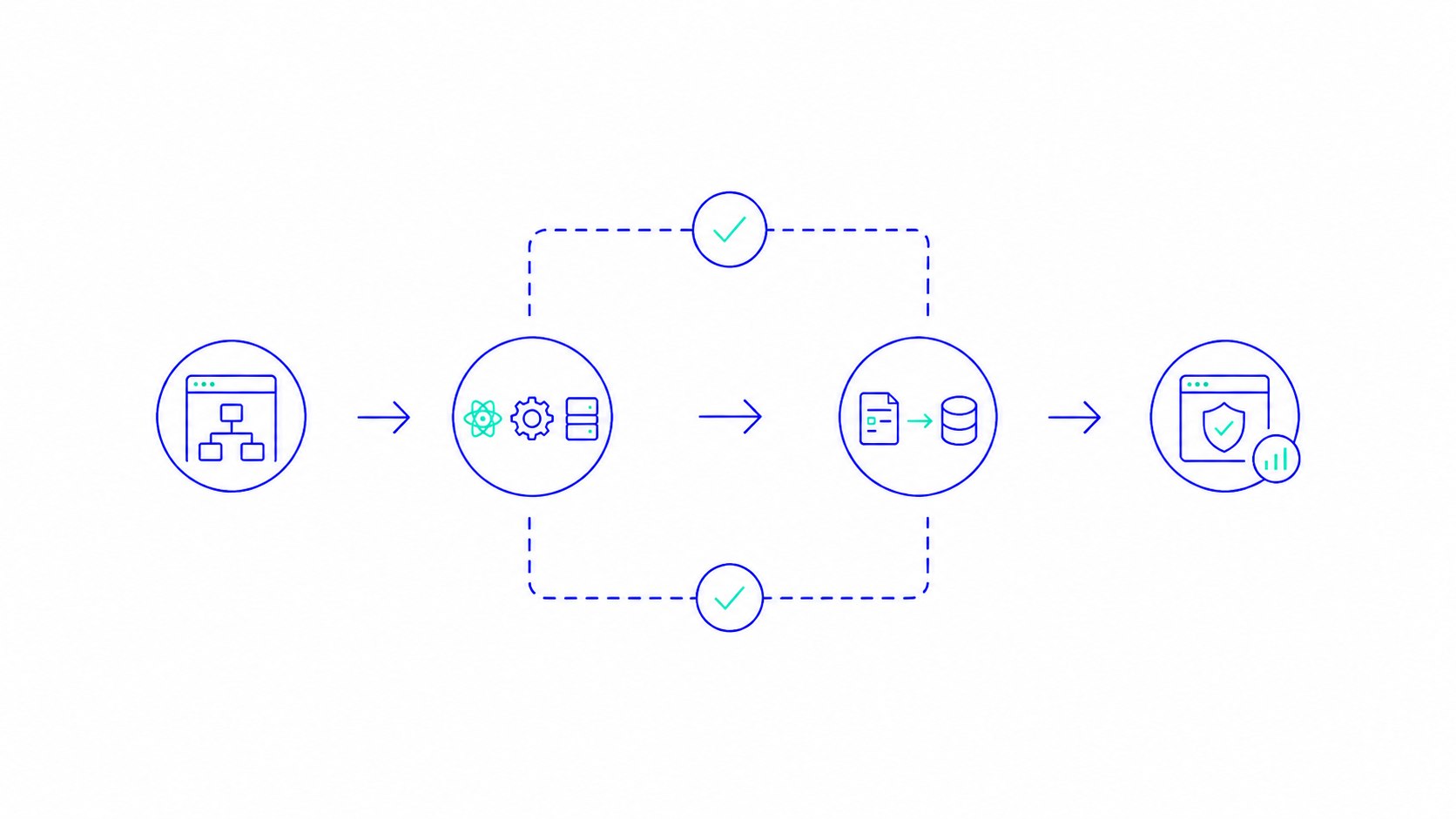
React SPA handles real-time interactions such as dashboards and tasks, while Next.js serves entry pages that require SEO/SSR. Both share a data contract to prevent behavioral drift.
render(view) -> state.sync(...) -> ui.update(...)MQTT/WebSocket keeps the real-time pipeline consistent between React and Next.
The data pipeline organizes incoming tasks, evidence, and status logs before they move deeper into verification and settlement. This makes each record easier to inspect, trace, and reuse across connected services.
This pipeline is important because the platform does not treat input as isolated records. Each item can move through validation, verification, reward allocation, and operational tracking while keeping enough context for later review.
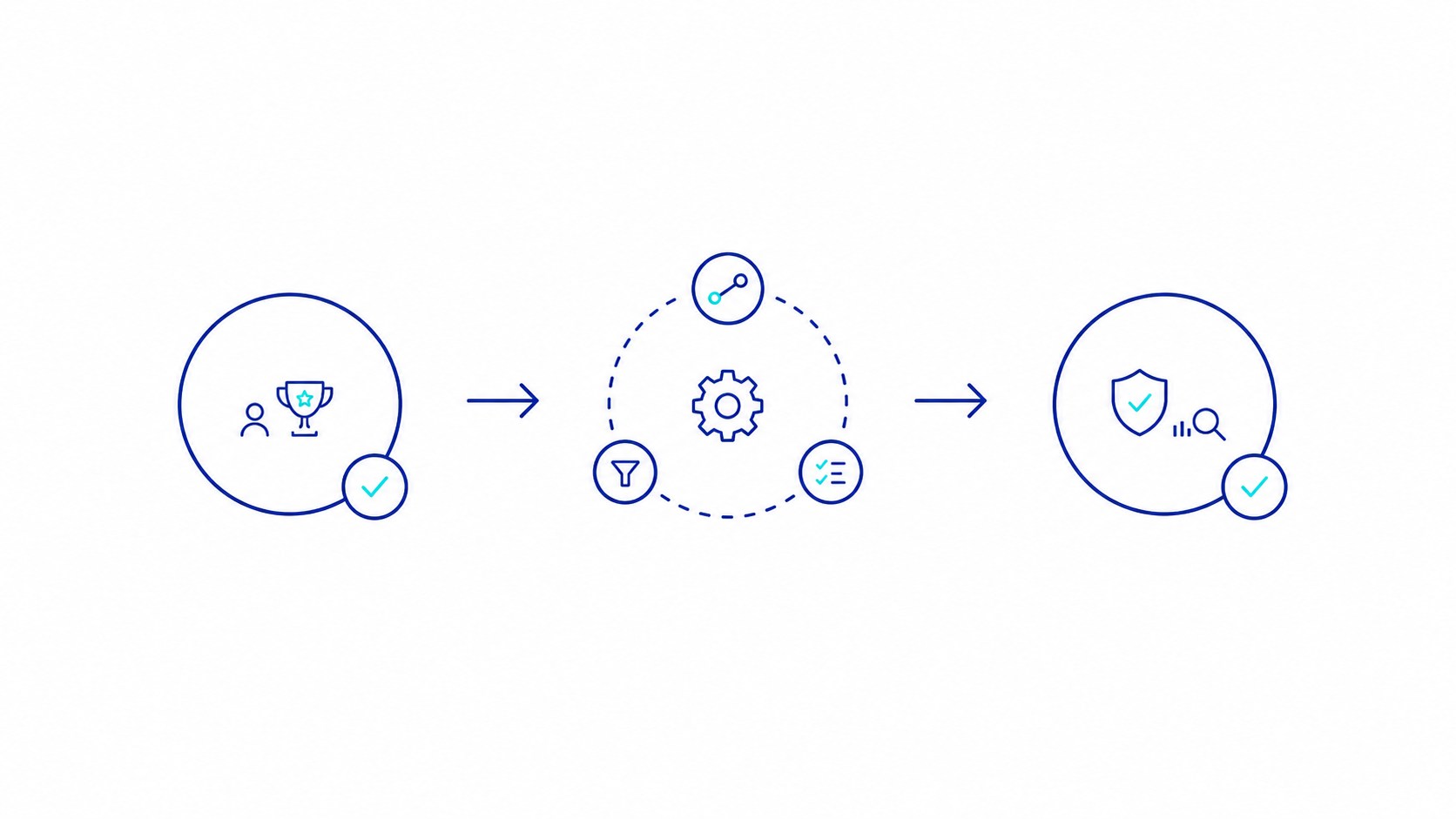
The platform is divided into core modules that handle community growth, evidence-based rating, safety verification, and internal reward flow. Each module has a focused role, but they all connect back to the same data and verification model.
Module A — Community Growth
Facilitates organic interactions such as Follow, Like, and View through Smart Matching.
Workflow:
Module B — Rating with Evidence
Module B boosts rating/vote with evidence. Execution time is cleaned using IQR Filtering to remove outliers.
q1 = percentile(sorted_data, 25)
q3 = percentile(sorted_data, 75)
iqr = q3 - q1
lower = q1 - 1.0 * iqr
upper = q3 + 1.0 * iqr
filtered = [x for x in sorted_data if lower <= x <= upper]
avg = sum(filtered) / len(filtered)
Module C — Security & Trust Assurance
Module C ensures Community Safety through data verification and feedback:
Reward Engine
Reward Points are an internal currency:
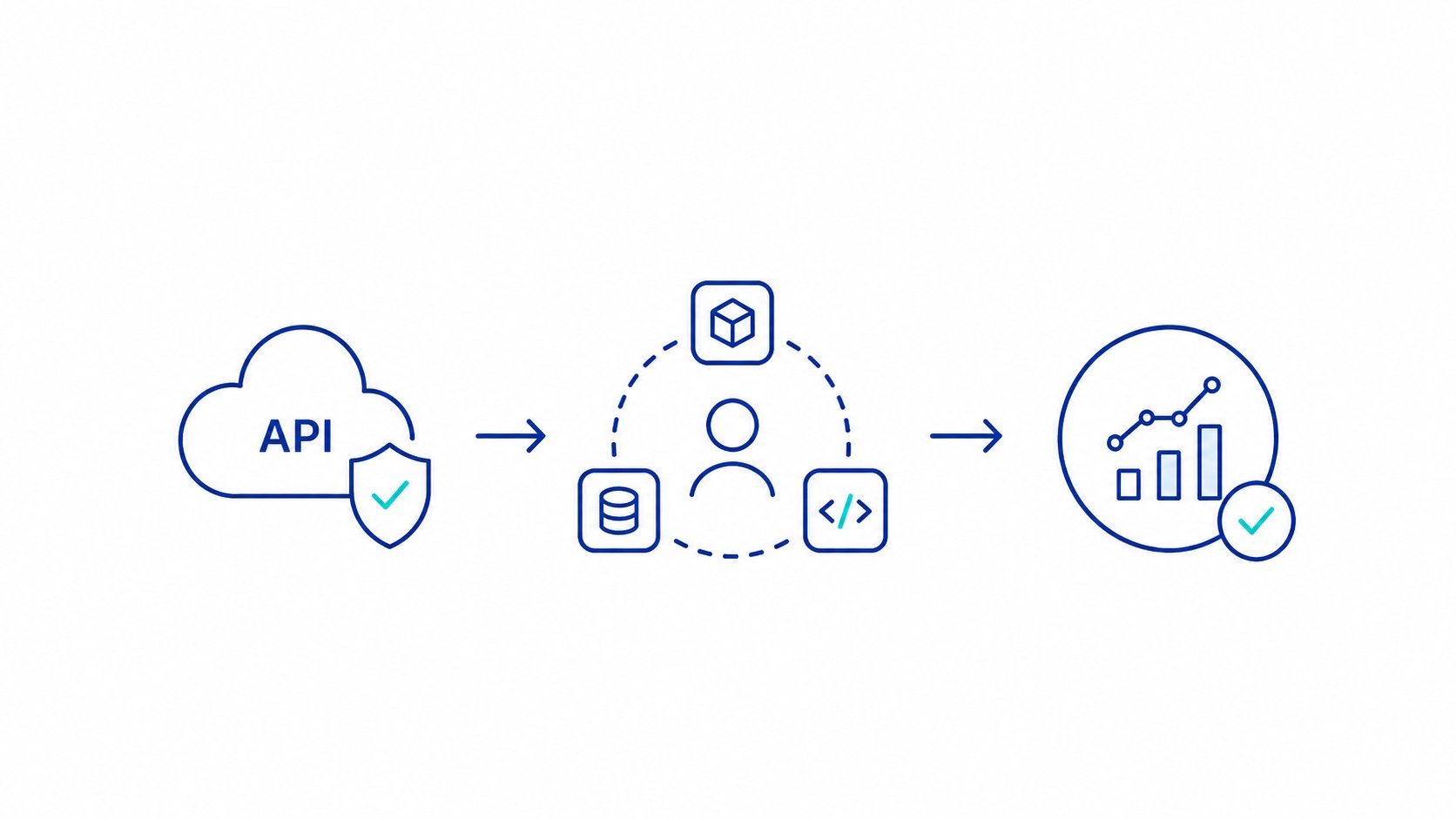
The API layer connects service creation, data contracts, authentication, and infrastructure protection. This section groups request behavior and security controls together because both are part of the same integration boundary.
API & Data Contract
Mission Creation uses the P2P API flow:
POST https://domain/api/v3
{
  "action": "add",
  "comments": ["comment_1", "comment_2"],
  "key": "{API_KEY}",
  "link": "{target_link}",
  "quantity": 1000,
  "service": "{service_id}"
}
Response:
{ "order": 98412 }Security & Privacy
c.Header("Access-Control-Allow-Origin", "*")
c.Header("Access-Control-Allow-Methods", "GET, POST, OPTIONS")
c.Header("Access-Control-Allow-Credentials", "true")ingress:
- hostname: ws.hust.media
service: http://localhost:8793
- hostname: nginx.hust.media
service: http://localhost:8794
- service: http_status:404Operational design keeps the system stable after deployment. This includes server setup, restart behavior, audit tracking, monitoring, and performance guardrails.
Deployment & Operations
Observability & Reliability
Performance Benchmarks
CLOSING NOTES
Reader Value
This system overview brings the API gateway, core services, data pipeline, verification logic, and operational layers into one connected technical reference. Readers can use it to understand how the platform's core layers fit together before moving into the more specific notes in this section. In practice, that supports clearer system integration and more stable operation across scalable projects.
Conclusion
This overview serves as the entry point to the Engineering Notes section and frames the broader technical structure behind the platform. It prepares the context for the deeper implementation notes that follow.